On Monday, the European Commission put forth a significant set of proposals for new sanctions aimed at Russia in response to its ongoing conflict in Ukraine. These measures include targeting numerous Russian banks, imposing stricter regulations on cryptocurrency platforms, and prohibiting Russian sports teams and athletes from competing under their national flag.
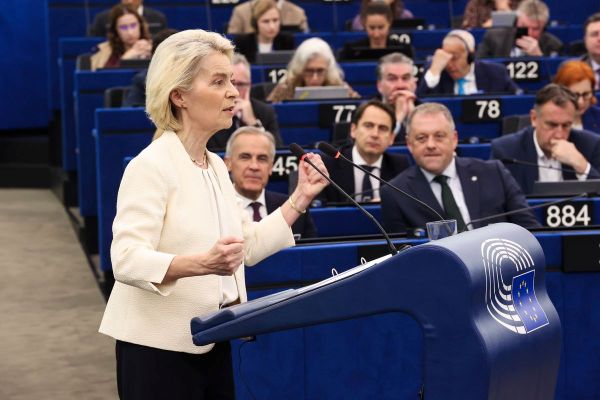
Commission President Ursula von der Leyen said these proposals will require endorsement from all 27 European Union member states before they can be implemented, a process that may take several weeks and could involve modifications.
The primary objective of these sanctions is to sustain economic pressure on Russia, which has been engaged in a full-scale invasion of Ukraine for nearly five years. To date, the European Union has sanctioned over 4,700 individuals and entities, including President Vladimir Putin and various energy companies. President von der Leyen emphasised that this initiative aims to intensify efforts to undermine Russia’s war financing by targeting its banking sector and cryptocurrency platforms, while also limiting its participation in European sports and cultural events.
“With this package, we are increasing the pressure. We are striking harder at Russia’s ways to finance its war by targeting its banks and crypto platforms. We are further isolating Russia. We are shutting the door to its participation in European sports and cultural events. We are tightening our visa rules and doubling down on enforcement. And we will keep proposing new sanctions. Until Russia shows genuine intent for a lasting peace in Ukraine,” President von der Leyen said.
Key elements of the proposal include removing 60 Russian banks from the SWIFT messaging system utilised for international payments. The Commission also intends to implement measures against countries that help Russia circumvent sanctions, including establishing a crypto sanctions task force. Additionally, the proposal seeks to target 70 additional vessels linked to Russia’s shadow fleet, implicated in the illicit transportation of oil, and to ban all tanker vessels from entering European ports.
Moreover, the proposals will prevent European nationals from occupying senior positions in Russian companies, as well as recommend a visa ban for Russians involved in the conflict in Ukraine. President von der Leyen noted that individuals who have fought in the war represent a security risk to Europe, necessitating restrictions on their mobility within EU countries. The Commission also advocates for banning the display of Russian symbols at sports and cultural events.
This latest round of proposals follows a substantial set of sanctions introduced just over a month ago, which constituted the largest single listing of sanctions against Russia to date, targeting nearly 1,600 Russian officials and companies associated with its arms industry, particularly those linked to the production of drone or missile components.
This article used information from The Associated Press.